

More Than Sadness: Understanding Depression
Everyone experiences sadness, stress, or disappointment at times. But when these feelings persist for weeks and begin affecting daily life, they may point to something more depression, a common but serious mental health condition.

What does depression actually change in a person's thinking, energy, and daily functioning?
The Emerging Landscape
What Depression Actually Involves
Depression, also known as Major Depressive Disorder, affects how a person thinks, feels, and behaves. It can bring persistent sadness, loss of interest in activities once enjoyed, low energy, changes in sleep or appetite, difficulty concentrating, and feelings of hopelessness or worthlessness. In severe cases, it may involve thoughts of self-harm or suicide a sign that professional support is needed without delay.
Key Insight
Depression is recognized as one of the most significant mental health challenges worldwide, affecting people across all ages and backgrounds not a rare condition, and not a personal failing.
Real Patterns
How Depression Can Show Up
The Quiet Withdrawal
A person gradually stops returning calls, skips gatherings they'd normally enjoy, and describes feeling "flat" more than sad often mistaken by others, and even by themselves, as simply being busy or tired.
The Invisible Struggle at Work
Someone who once managed deadlines easily begins struggling to concentrate, second-guessing routine decisions, and running on low energy despite adequate sleep changes that build slowly enough to go unnamed for months.
Why It Happens
Depression Doesn't Have a Single Cause
Genetics, brain chemistry, stressful life events, chronic health conditions, hormonal changes, and environmental factors can all contribute to its development. Understanding this helps replace blame of self or others with a clearer path toward support.
It Is Highly Treatable
Professional counseling, Cognitive Behavioral Therapy (CBT), healthy lifestyle habits, social support, and timely intervention can help individuals manage symptoms and regain emotional well-being. The earlier it's identified, the better the chances of effective recovery.
Why So Many Struggle Silently
Many individuals continue to struggle without recognizing the signs, or without knowing when or how to seek help. Depression can be gradual and easy to rationalize away which is exactly why early screening matters.
Recovery Is a Process, Not a Switch
Recovery rarely looks like a single turning point. It tends to look like consistent, supported steps therapy sessions, small routine changes, honest conversations that accumulate into a genuinely different baseline over time.
The Uncomfortable Question
Why Does Help Arrive So Late?
If depression is this common and this treatable, why does it so often go unnamed until it's severe?
If we readily screen for physical illness early, why does mental health screening still feel like a last resort rather than a first step?
A Path Forward
What Early, Effective Support Looks Like
Depression responds well to timely, informed intervention. The goal isn't just treatment after the fact it's building the awareness and structures that catch it early.
- Know the signs: Persistent low mood, loss of interest, appetite or sleep changes, and difficulty concentrating are signals worth naming, not waiting out.
- Normalise screening: Treat mental health check-ins as routine, not as something reserved for crisis.
- Connect early: Professional counseling and CBT are most effective when accessed early, not after symptoms have compounded.
- Build support around, not just for, the person: Social connection and a supportive environment are part of treatment, not separate from it.
Assessment Tool
Catching It Early, Accurately
Early detection is what turns a silent struggle into a supported recovery.
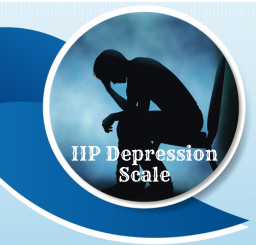
IIP Depression Scale
A scientifically developed tool designed to identify the presence and severity of depressive symptoms enabling mental health professionals, institutions, and individuals to take proactive, informed steps toward recovery and well-being.
Depression is common, real, and treatable. Recognising it early is often the difference between a long struggle and a supported recovery.