

Behind Every Report Card: Why Mental Health Matters
A student's success is not determined by academics alone. Behind every classroom performance, exam result, and social interaction lies something equally important mental health.

What are schools missing when they measure a student only by grades?
The Emerging Landscape
The Foundation Beneath Learning
Mental health is a dynamic state of emotional, psychological, and social well-being that influences how students think, feel, learn, and interact with the world around them. According to the World Health Organization, good mental health enables individuals to cope with life's challenges, realize their abilities, work productively, and contribute meaningfully to their communities.
For children and adolescents, this well-being forms the foundation of healthy development shaping their ability to manage emotions, build relationships, concentrate in class, and adapt to changing circumstances. Four pillars emotional, social, psychological, and functional well-being work together to support every part of a student's growth.
Key Stat
Globally, one in seven adolescents experiences a mental health disorder making mental health concerns one of the leading causes of illness and disability among young people worldwide.
Real Patterns
How It Shows Up Before Anyone Notices
The Quiet Decline
A student who was once engaged begins missing classes, disengaging from group work, and turning in inconsistent work read by teachers as a motivation problem long before it's recognised as a well-being one.
The Digital-Age Pressure
Bullying, social comparison, and constant digital connectivity compound academic pressure and family conflict creating layered stress that a single classroom observation rarely captures in full.
Why It Goes Unnoticed
The Gap Between Struggle and Support
Academic pressure, bullying, family conflicts, social isolation, trauma, and the growing influence of digital environments can significantly affect a student's emotional well-being. When these concerns go unrecognised, consequences can extend far beyond the classroom declining academic performance, absenteeism, behavioral difficulties, self-harm risk, and long-term psychological distress.
The Treatment Gap
In India, nearly 80% of mental health concerns among children and adolescents remain undiagnosed and untreated meaning countless students continue to struggle silently without receiving the support they need.
More Than Awareness
Building a mentally healthy school ecosystem requires more than awareness campaigns. It requires actionable, evidence-based tools that can identify concerns, track well-being over time, and guide meaningful intervention.
From Reactive to Preventive
Most school systems are built to respond after a concern becomes visible a crisis, a failing grade, a parent's call. The bigger opportunity is catching concerns while they're still manageable, before they compound.
The Uncomfortable Question
What Is a School Actually Responsible For?
If 80% of concerns go undiagnosed, how many students in every classroom are already struggling without anyone knowing?
If academic performance is the only thing schools measure, how would they even notice a student who is coping, but barely?
A Path Forward
Building a Mentally Healthy School Ecosystem
Schools don't need to choose between academics and well-being the two are connected. A proactive approach to mental health is what makes sustained academic performance possible in the first place.
- Screen proactively: Use standardized, evidence-based tools rather than waiting for visible crises.
- Track, don't just react: Monitor well-being over time so gradual decline is caught early, not after the fact.
- Train the adults in the room: Teachers and staff are often the first to notice change equip them to recognise it.
- Build referral pathways: Detection only helps if it connects to real, accessible support.
Assessment Tool
From Reactive Support to Preventive Care
Reliable, standardized screening is what allows a school to move from noticing problems late to catching them early.
SEHAT 2.0
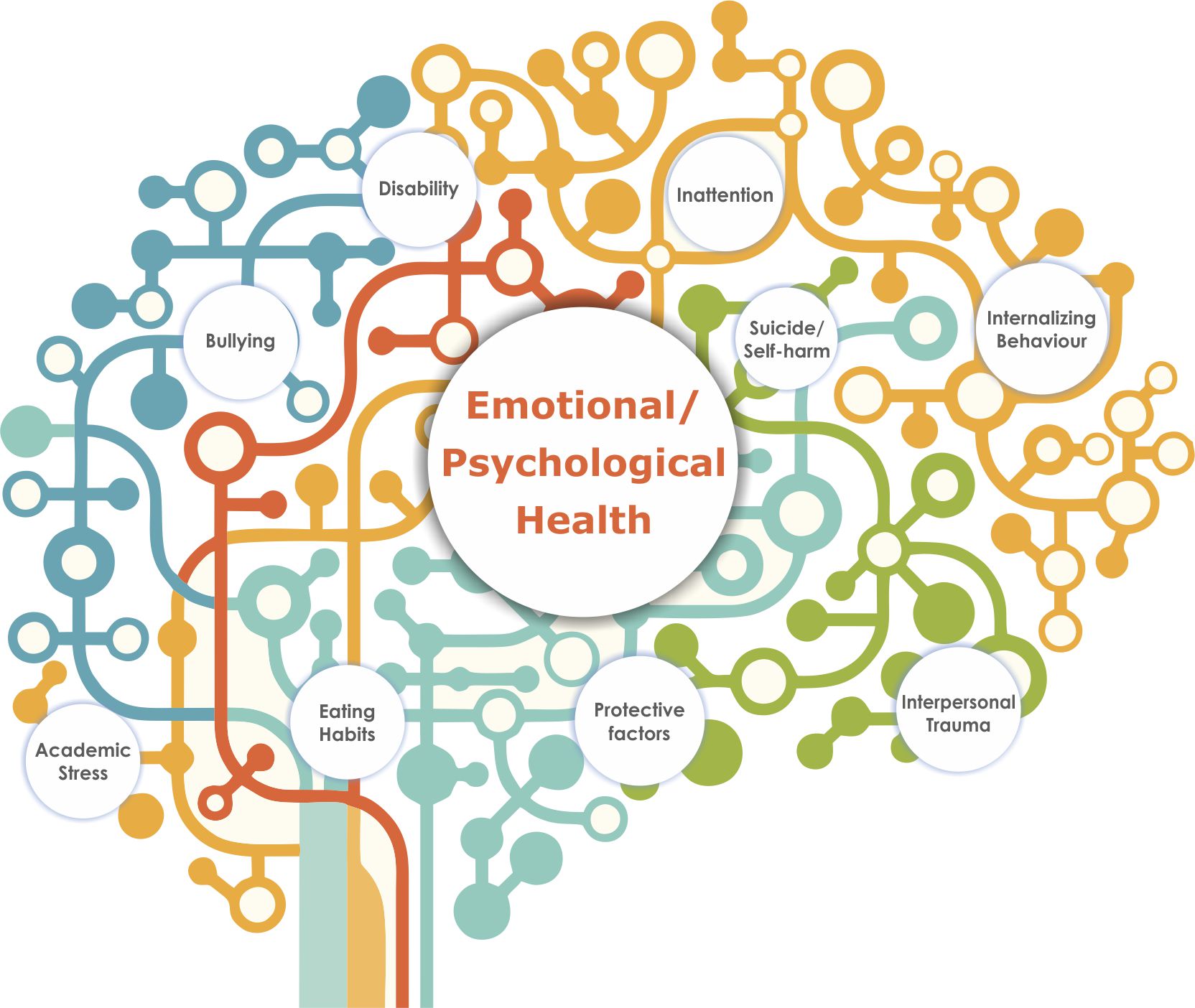
A standardized digital mental health screening tool for students aged 10–18 years. It helps schools proactively assess academic stress, bullying, trauma, self-harm risk, attention difficulties, eating habits, disability-related concerns, internalizing behaviors, and protective factors.
A school that measures well-being alongside grades isn't doing something extra it's finally measuring the whole student.